
211’s Take on How to Survive in the Heat.🔥
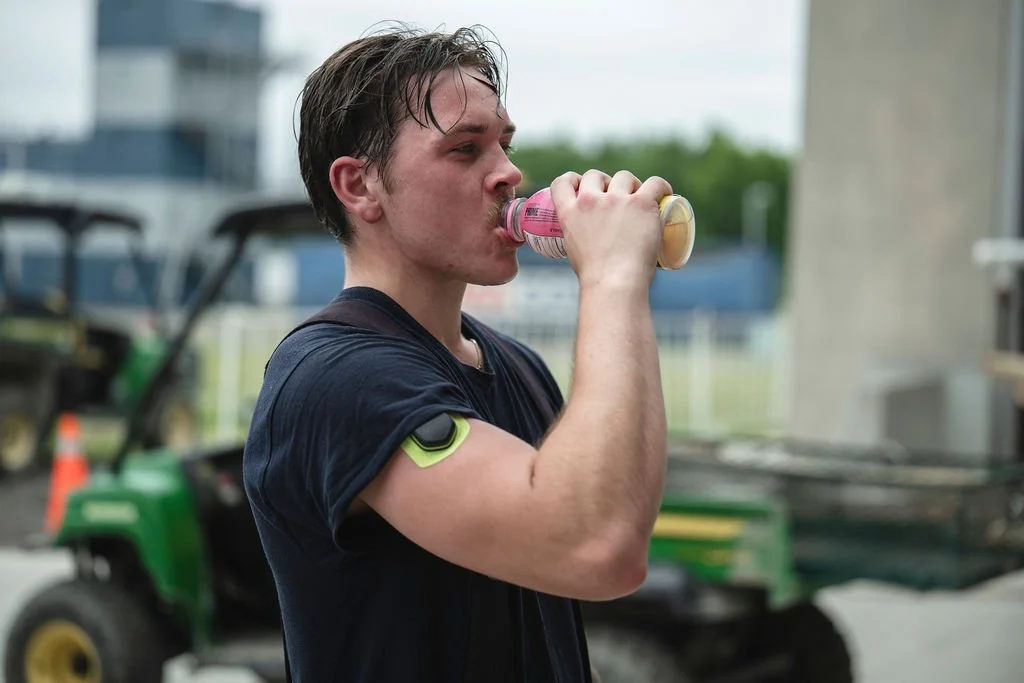
Hydration in extreme heat is not a buzzword. For firefighters, it is a life‑safety issue that directly affects performance, decision‑making and survival. Treating hydration as “drink more water” or a checkbox on training day is outdated and dangerous. Effective management of heat stress is multifactorial: water, electrolytes and cooling — and it must be paired with purposeful acclimatization and year‑round preparation.
Why simple “drink more water” is risky
Drinking large volumes of plain water without replacing electrolytes can dilute blood sodium (hyponatraemia). Symptoms range from nausea and headache to seizures and death. In prolonged incidents or multi‑shift operations, the risk grows.
Overreliance on water alone doesn’t address losses of sodium, potassium and other ions lost through sweat. Those losses impair muscle function, nerve conduction and cardiovascular stability.
Water intake without cooling does little to reverse core temperature rise when heat exposure and metabolic heat production remain high. Firefighters wearing heavy PPE generate substantial internal heat; fluid alone can’t remove that heat fast enough.
The three pillars of effective hydration and heat‑stress control
Fluid balance (water)
Maintain euvolaemia: enough intravascular volume to support stroke volume and blood pressure. Dehydration reduces cardiac output, increases heart rate for the same workload and compromises work tolerance.
Monitor trends, not single drinks: body mass changes, urine colour and practical monitoring during shifts give better insight than “have you been drinking?”
Electrolyte replacement
Replace salt and key ions: sweat sodium losses vary by person and situation but are significant in heavy work. Replacing sodium (and to a lesser extent potassium and magnesium) prevents hyponatraemia and maintains neuromuscular function.
Use targeted electrolyte solutions or tablets based on duration and intensity of work. Plain water for short low‑sweat tasks; balanced electrolyte solutions for prolonged or repeated exposures.
Effective cooling
Active cooling is essential to reduce core temperature quickly. Passive drinking will not suffice when core temp is elevated from metabolic work and encumbering PPE.
Implement cooling strategies that are feasible on scene and between rotations: misting, evaporative cooling, ice or cold packs to the neck, axillae and groin, rapid‑exchange rehabilitation systems, and shaded rest.
Cooling improves cardiovascular recovery, reduces core temp, and accelerates safe return‑to‑work readiness.
Acclimatization is critical — and slow
Heat acclimatization is the physiological process by which the body improves tolerance to heat (increased plasma volume, improved sweat response, earlier onset of sweating, reduced heart rate for a given workload).
Time course: meaningful adaptations often require 7–14 days of progressive exposure; full adaptation can take 2–6 weeks depending on prior fitness and heat exposure. Loss of acclimatization begins within a week of reduced exposure.
Operational implication: expect reduced tolerance early in the season and after any lengthy break. Don’t assume someone who worked last summer is ready at peak performance on day one of a heat wave.
Practical recommendations for fire services
Move from reactive to proactive planning:
Conduct pre‑season heat‑readiness programs that include progressive heat exposure, fitness maintenance and education about hydration and cooling.
Maintain year‑round conditioning, with specific heat acclimatization blocks in the weeks leading into summer.
Implement evidence‑based rehabilitation and monitoring:
Use body mass changes, urine characteristics, subjective scales and if feasible, heart‑rate monitoring to guide rehydration and rest.
Establish protocols for electrolyte replacement tailored to duration: e.g., water plus a sodium‑containing drink for operations >1 hour or repeated exposures during a shift.
Ensure access to rapid cooling tools and a shaded/air‑conditioned rehab area during incidents.
Train crews on signs of heat illness and proper fluid strategies:
Teach recognition of dehydration, heat cramps, heat exhaustion and exertional heat stroke.
Emphasize that headache, nausea, confusion, dizziness or collapse require immediate removal from heat and cooling; never assume symptoms will resolve with water alone.
Logistics and culture:
Stock appropriate hydration products (balanced electrolyte solutions, sodium tablets, ice) and ensure ready access on apparatus.
Normalize frequent, small volume drinking and planned cooling breaks during prolonged operations.
Discourage the “tough it out” culture; the fastest way to lose a crew’s effectiveness is by allowing heat stress to accumulate.
Special considerations
Individual variability: sweat rate and electrolyte losses differ widely. Where possible, tailor strategies — high sweat rates need higher fluid and sodium replacement.
211’s Golden Rules For How to Survive in the Heat:
If you’re thirsty, it’s too late.
Re-uptake takes time, thirst also takes time to kick-in. Don’t wait until you are already behind the 8-ball
You can manage until you can’t.
The body is exceptionally good at compensating. Don’t let accidental success from past compensation dictate future outcome!
You’re a snowflake Sweater!
Your sweat rates are different than mine. Your sweat rates are even different depending on what you’re doing!
Get to know your personal details on your fluid and electrolyte losses to stay better prepared.
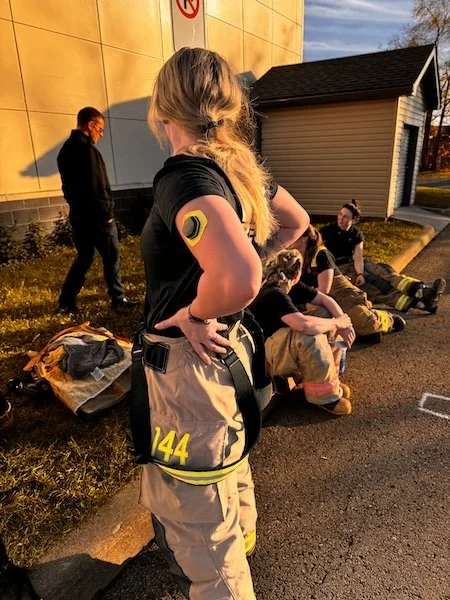
Leverage wearable tech to help you figure out your numbers.
At 211PT, we exclusively use NIX Biosensors to track our sweat rates, electrolyte losses and formulate effective hydration plans.
If you are interested in learning more about your hydration needs or want to run your own sweat test with us contact us by using the button below and fill out a form indicating you want to run a test!
